Important phrases in English for traveling abroad
Learning useful phrases in English before traveling to Europe makes it easier to communicate in airports, hotels, transport and during excursions. This not only makes the trip more comfortable, but also helps to avoid misunderstandings.
In which European countries is there no English?
In Europe, although English is not the official language of many countries, a large part of the population in most countries knows this language at various levels. As of 2019, countries with the highest percentage of non-native speakers of English include Sweden (71%), the Netherlands (70%), Norway (68%), Denmark (67%), Luxembourg (66%) and Finland (66 %). In these countries, you are very likely to find someone who can communicate in English.
In Northern Europe, especially the Scandinavian countries, English is widely spoken, with high percentages of knowledge of the language in Denmark, Norway, Sweden and Finland. The Netherlands stands out, with 72% of the population speaking English. In Central Europe, for example, in Poland and Austria, about 62% of the population speaks English. In Southern Europe, although the percentage of English-speaking residents is not as high as in Northern or Central Europe, there are still quite a few English-speaking people in this region.
In France and Italy, although English is not the dominant language, a great deal of attention is paid to bilingual education, and a large part of the population can communicate in English at various levels. Latvia and Ukraine also see a growing importance of English, especially among the younger generation, due to the focus on education and interaction.
Thus, although there are countries in Europe where English is not an official language, it is widely used and important in international communications, tourism and education. The presence of a large part of the English-speaking population in many European countries makes English a key language for communication when traveling abroad.
Important situations for using English:
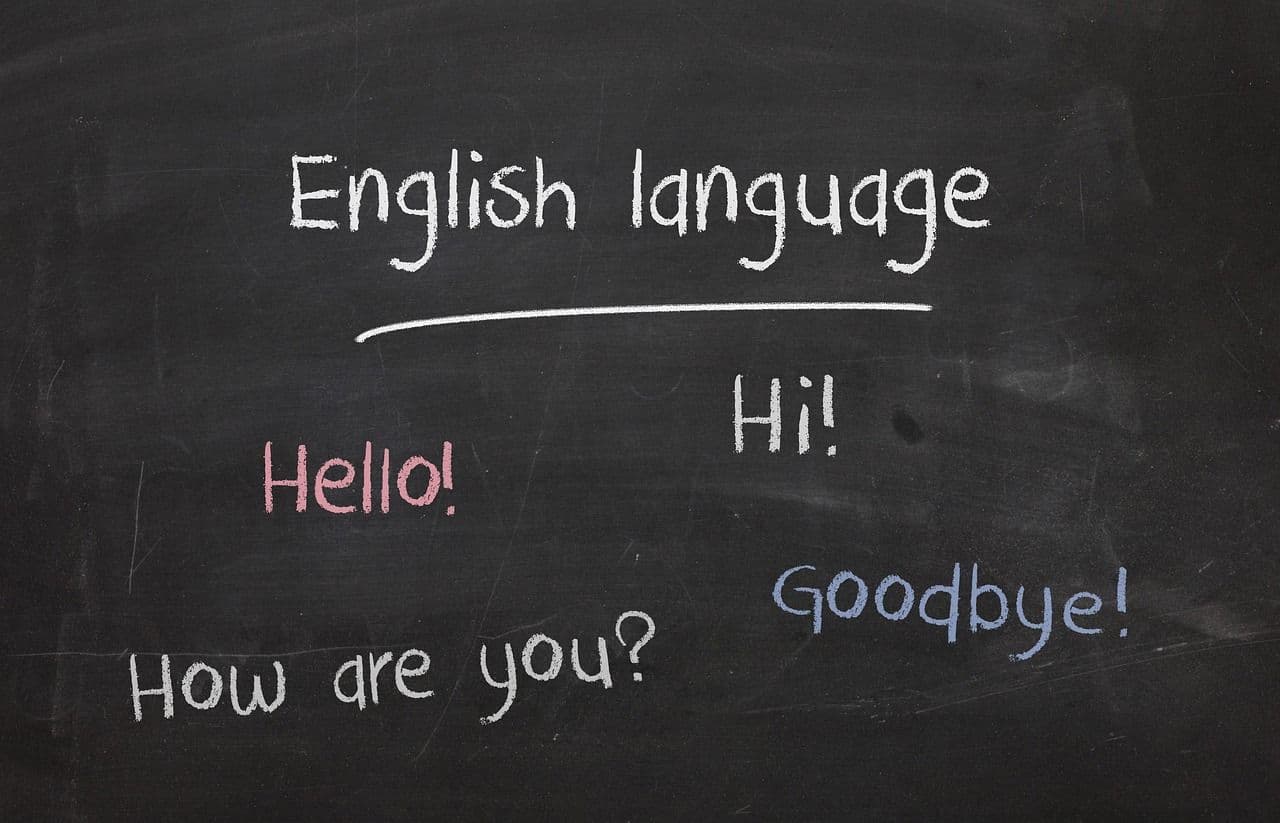
Traveling is always an exciting experience that opens up new horizons and opportunities. But in order to make your journey even more pleasant and safe, it is important to be prepared to communicate in a new environment. Especially when it comes to international travel, knowing basic "English travel phrases" becomes not just an advantage, but sometimes a necessity. Here are some examples when knowledge of English can be especially important:
1. Communication at the airport or train station. Imagine that you have arrived at an airport in an unfamiliar country where you do not know the local language. Knowing English will allow you to ask for information about your flight, find out where your departure terminal is, or how to get to the baggage claim. Or you need to buy a bus ticket to Ukraine, you can find out the address of the station and the location of the ticket agency.
2. Ordering food in a restaurant. While in a French cafe, you manage to order a meal using basic English phrases for food and drink. This helps avoid misunderstandings and ensures a pleasant dining experience.
3. Seeking medical help. In the event of a medical emergency or accident while in Italy, you use English to contact local medical professionals to explain your symptoms and get the help you need.
4. Renting a car or housing. While traveling in Spain, you decide to rent a car. Knowing English allows you to effectively communicate with the rental agent, understand the rental conditions and avoid possible misunderstandings.
5. Communication with local residents. While in Germany, you accidentally got lost in the city. Using English, you ask the locals for help to find the right way to your hotel.
In each of these cases, the English language plays a key role, allowing travelers to effectively solve everyday problems, navigate in a new environment and receive help in unforeseen circumstances. Knowledge of the English language becomes a bridge that connects different cultures and helps travelers feel more confident in new places
Tips for learning phrases before departure:
Learning phrases before leaving for another country is a key aspect of travel preparation. Here are some tips:
1. Basic phrases: Focus first on the most important phrases, such as greetings, thanks, requests for help, and emergency calls. This will help you feel more comfortable in your new environment.
2. Language applications: Use mobile language learning apps that allow you to learn phrases in a playful way. It is not only effective, but also fun.
3. Labels with translation: Stick translation labels on items around your home to get used to new words in their everyday context.
4. Language exchanges: Talking to native speakers will help you improve your pronunciation and learn to use phrases in a natural context.
5. Small talk: Practice making simple conversations, such as the weather or hobbies, so you can hold a conversation with the locals.
6. Cultural aspects: Learn the cultural features of language, such as gestures that may accompany words or forms of politeness that vary from country to country.
7. Write down the phrases: Writing down phrases and repeating them can greatly improve your ability to remember and use them.
8. Contextual learning: Try learning phrases by using them in context, such as in a restaurant, at the train station, or while shopping.
Remember that the main thing is not the desire for perfection, but the desire to communicate and be open to new cultural experiences. Next, we will reveal basic phrases in English that will be useful when traveling to European countries.
Basic greeting phrases:
Learning basic greeting phrases is an important part of travel preparation. Here are some basic English greeting phrases that will come in handy when traveling:
Hello!: A universal greeting that can be used at any time of the day.
Hi!: An informal greeting, ideal for friendly and informal situations.
Good morning!: Used for greeting in the morning, before lunch.
Good afternoon!: Suitable for greetings after lunch and into the evening.
Good evening!: Used when greeting in the evening, after 18:00.
Nice to meet you!: Used when meeting someone for the first time, shows politeness.
How are you?: A question about how you are feeling, often used after a greeting.
How's it going?: An informal question about how you're feeling or the general state of things.
What's up? / Sup?: A very informal greeting often used among friends.
Hey there!: An informal greeting, often used in informal or friendly situations.
These phrases can be used in a variety of situations, from informal meetings with friends to formal business meetings. It is important to remember that tone and facial expressions can significantly change the impression of your greeting.
English phrases for communication at the airport and in transport

English phrases for communication at the airport and in transport are extremely important for the convenience and efficiency of your trip. Here are some useful phrases:
At the airport:
Where can I check in for my flight?: Where can I check in for my flight?
Can I have a window/aisle seat, please?: Can I have a window/aisle seat, please?
Is my flight on time?: Is my flight on time?
Where is the departure gate?: Where is the departure gate?
Could you help me with my bags, please?: Could you help me with my bags, please?
In transport (taxi, bus, train):
Can you take me to this address, please?: Can you take me to this address, please?
How much does it cost to get to [destination]?: How much does it cost to get to [destination]?
Does this bus/train go to [destination]?: Does this bus/train go to [destination]?
What time does the train/bus leave?: At what time does the train/bus leave?
Where can I buy a ticket?: Where can I buy a ticket?
These phrases will help you deal with basic situations when you're at the airport and when traveling on public transport. They will allow you to easily ask for information, buy tickets, find the right seat and much more.
How to order food and drinks in establishments:
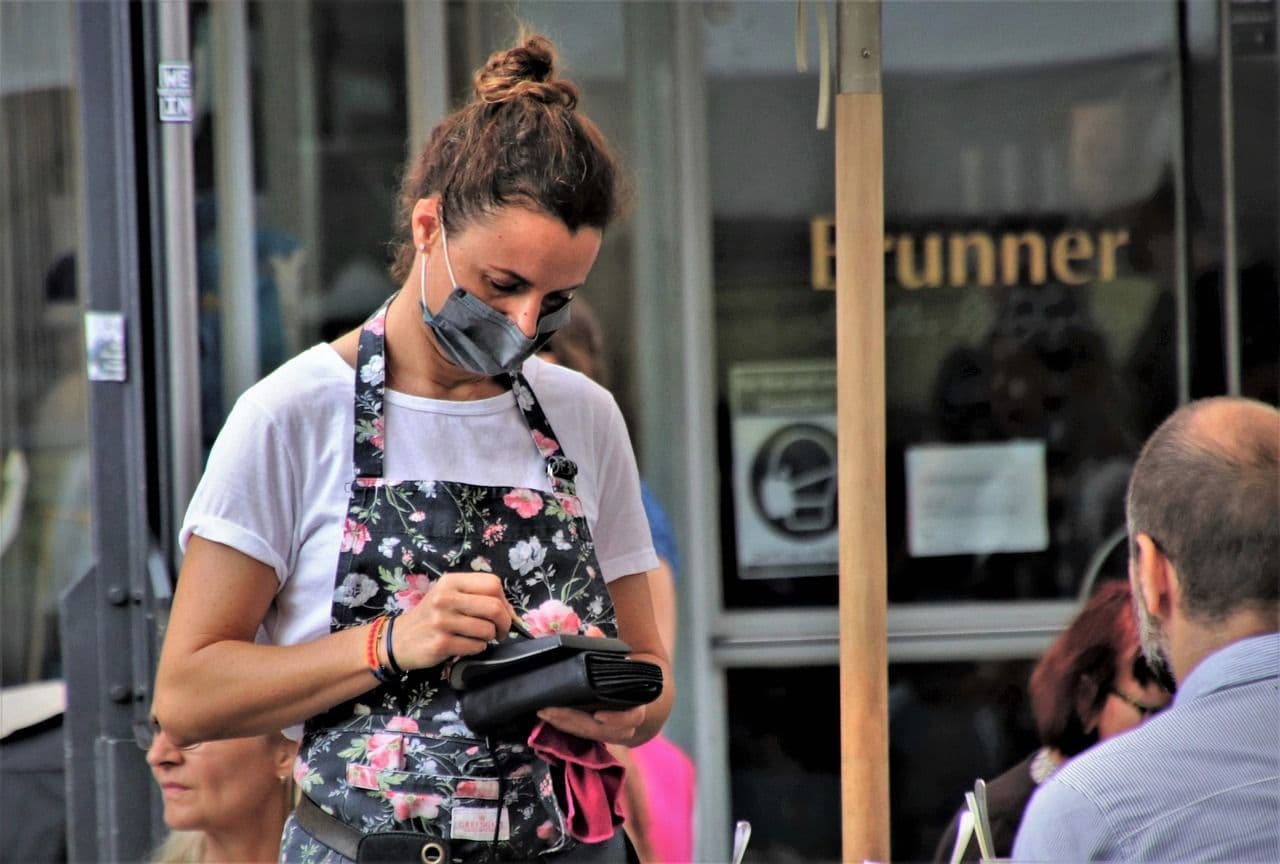
Could I see the menu, please?: Can I see the menu, please?
I'd like to order [dish], please.: I'd like to order [dish], please.
Can I have a [drink], please?: Can I have a [drink], please?
What do you recommend?: What can you recommend?
Could I have the bill/check, please?: Can I have the bill/check, please?
Is service included?: Is service included in the bill?
How to correctly ask about the way and the road:
Excuse me, how can I get to [place]?: Excuse me, how can I get to [place]?
Is this the right way to [place]?: Is this the right way to [place]?
Can you show me on the map?: Can you show me on the map?
Where is the nearest [station/bus stop]?: Where is the nearest [station/bus stop]?
How to ask about local attractions and points of interest:
What are the must–see places here?: What are the must-see places here?
Can you recommend any local attractions?: Can you recommend any local attractions?
Where can I find the best [local food/souvenirs]?: Where can I find the best [local food/souvenirs]?
Are there any interesting events happening around?: Are there any interesting events happening around?
Common phrases in English for shopping:
How much is this?: How much does it cost?
Can I try this on, please?: Can I try this on, please?
Do you accept credit cards?: Do you accept credit cards?
Could you help me find [item]?: Can you help me find [item]?
Do you have this in a different size/color?: Do you have this in a different size/color?
Phrases for accidental and urgent situations in Europe:
Help!: Help!
I need a doctor.: I need a doctor.
Can you call an ambulance?: Can you call an ambulance?
I'm lost.: I got lost.
I've lost my bag/passport.: I've lost my bag/passport.
Is there a police station nearby?: Is there a police station nearby?
These phrases will help you deal with basic everyday travel situations, making your stay abroad more comfortable and efficient.