Architecture of Gdansk: from Gothic to Baroque
City Gdansk - one of the most historically and culturally significant cities in Poland. Its architecture is a wonderful blend of different styles, reflecting the rich cultural traditions and influences of past centuries. From Gothic to Baroque - in Gdańsk you can see real architectural masterpieces that create a unique atmosphere of the ancient city. The old city of Gdańsk preserves a huge number of historical monuments, which makes it one of the main tourist attractions of Poland. If you plan to visit Gdansk, places of interest of this city allow you to delve into its rich cultural context, which is expressed through unique architectural styles and compositions.
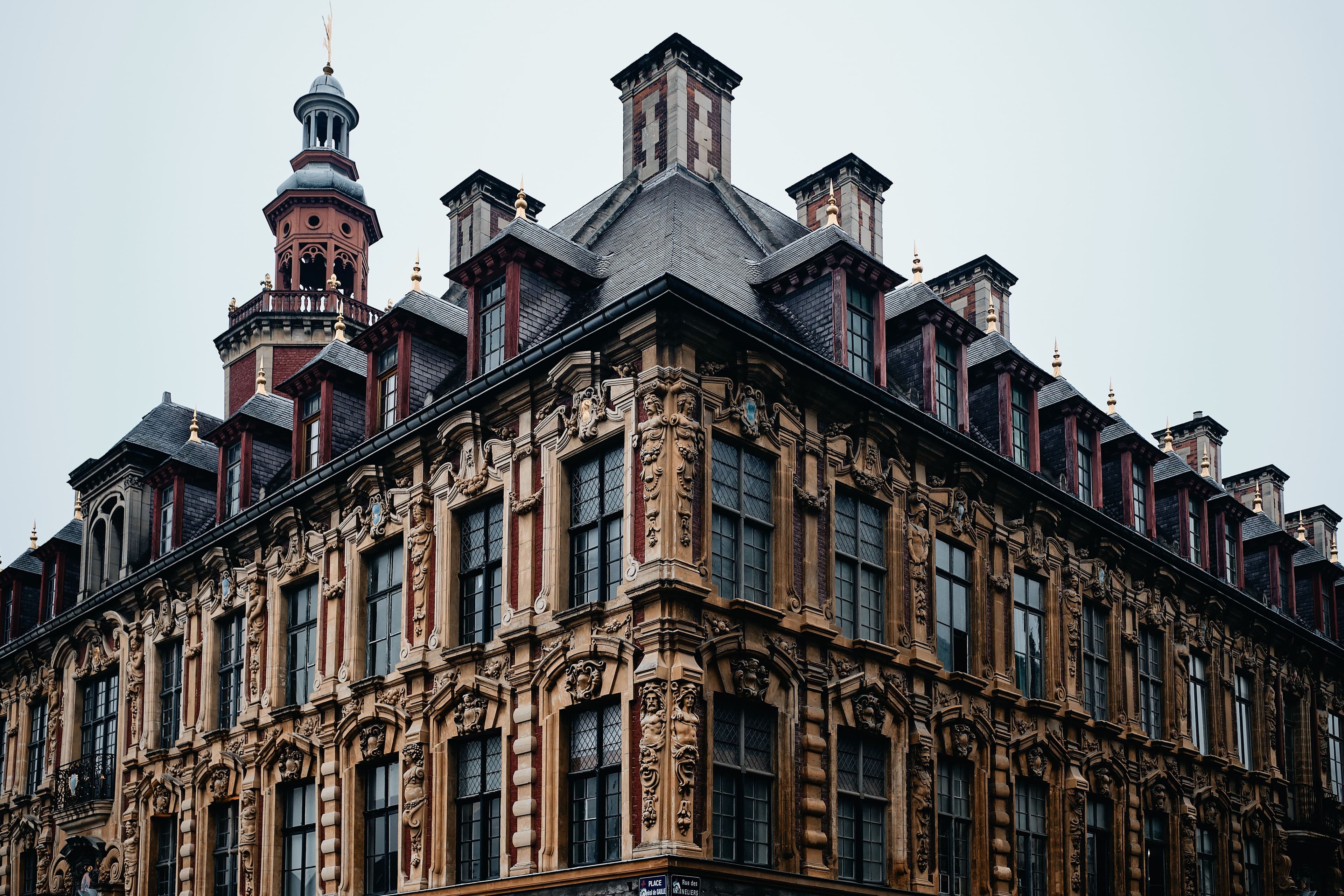
Gothic in the architecture of Gdańsk
The city of Gdansk, one of the oldest and most beautiful in Poland, impresses with its architectural diversity. Gothic occupies a special place among the styles that shaped the face of the city. This style defines the atmosphere of the old city, emphasizing its rich history and cultural heritage. The Gothic architecture of Gdańsk is a combination of high vaults, elegant forms and majestic buildings that impress even the modern viewer.
Basilica of St. Mary (Bazylika Mariacka)
St. Mary's Basilica in Gdańsk is one of the largest brick churches in the world and one of the key monuments of the Gothic style in Poland. This majestic temple is located in the heart of the old city of Gdańsk, becoming its architectural dominant. The building was built in the 14th and 15th centuries and is an excellent example of Baltic Gothic, which combines simplicity of forms.
Old Town Hall (Ratusz Glownego Miasta)
The Old Town Hall in Gdańsk is one of the most striking sights, representing the Gothic style with elements of the Renaissance. This building is an important historical and architectural heritage. Its construction began in the 14th century, and over the centuries the town hall was improved, combining the austerity of Gothic forms with the refined details characteristic of later eras.
A special highlight of the building is a high tower that rises above the city and gives it a majestic appearance. The tower is topped with a clock and a figure of King Sigismund II August, which adds to its historical significance. Inside the town hall there are museum exhibits that tell about the rich history of Gdańsk.
Church of St. Catherine (Kosciol Sw. Katarzyny)
St. Catherine's Church is one of the oldest religious buildings in Gdańsk, embodying the spirit of the Gothic style. Located in the historic center of the city, this church was built in the 14th century and preserves the rich history and culture of the region. Its high pointed windows, massive columns and refined details create a unique atmosphere that immerses you in the medieval world.
A special decoration of the church is its majestic tower, which rises above the old city of Gdańsk. The tower is equipped with a carillon - a set of bells that play melodies and add a special charm to the city. The interior of the church impresses with its simplicity and monumentality, preserving the characteristic Gothic architectural elements.
Renaissance in Gdańsk
The Renaissance left a deep mark on the architecture of Gdańsk, giving the city a new face after the Gothic era. This style, which originated in Italy, brought with it the grace, symmetry and harmony that became characteristic of many of Gdańsk's landmarks. During this period, the city underwent significant architectural development, maintaining a balance between tradition and innovative approaches.
Gdańsk's Renaissance buildings are distinguished by ornate facades, elegant sculptures and exquisite details. This style harmoniously fit into the atmosphere of the old city of Gdańsk, creating a unique combination of historical periods. The sights of the Renaissance became a symbol of the city's cultural and economic prosperity, reflecting its wealth and openness to European trends.
Dwor Artusa
The Artus Manor is one of the most famous Renaissance monuments in Gdańsk and a true symbol of its cultural and economic prosperity during the Renaissance. This majestic building is located in the center of the old town of Gdańsk, next to the Main Town Hall. Erected in the 14th century as a meeting place for merchants and local nobility, the Artus Court later became a model of the architectural combination of Gothic and Renaissance elements.
Golden Gate (Zlota Brama)
The Golden Gate is one of the most famous Renaissance monuments in Gdańsk, symbolizing the openness and grandeur of the city. Erected in 1612 according to the project of Abraham van den Blok, they became the ceremonial entrance to the old city of Gdańsk. The gate impresses with its architectural harmony and exquisite sculptural details that reflect the ideals of virtue, peace and freedom.
The main features of the Golden Gate are:
rich decorative elements, in particular the coat of arms of Gdańsk;
statues representing virtues such as Prudence, Justice, and Harmony;
symmetrical design typical of Renaissance architecture.
These details make the Golden Gate one of the most striking examples of Gdańsk's architectural wealth.
The Golden Gate opens the way to the Royal Way, the central street that leads to other interesting places in Gdańsk. This attraction combines a centuries-old history, the cultural influence of the Renaissance and a unique atmosphere that attracts tourists from all over the world.
Neptune Fountain
The Neptune Fountain is one of the most famous symbols of Gdańsk and a great example of the Renaissance architectural style. Located on the Long Square, it harmoniously fits into the ensemble of the old town of Gdańsk, attracting the attention of tourists with its elegance and details. The fountain was created in 1615 as a symbol of the city's maritime greatness, emphasizing its historical connection with the Baltic Sea.
Baroque in the architecture of Gdańsk
The Baroque era brought a new architectural vision to Gdańsk, focused on luxury, dynamism of forms and richness of decorative elements. This style, which originated in the 17th century, is characterized by the use of curved lines, complex ornaments and the contrast of light and shadow. In Gdańsk, baroque harmoniously combined with local traditions, creating unique buildings that decorate the old town of Gdańsk.
Royal Chapel (Kaplica Krolewska)
The Royal Chapel is one of the most striking Baroque monuments in Gdańsk, combining religious significance with architectural elegance. Located in the center of the old town of Gdańsk, the chapel impresses with its luxury and refined details typical of the Baroque style. Built in the 17th century, it has become an important symbol of the city's religious and cultural heritage.
Key features of the Royal Chapel include:
rich decorative elements, including luxurious frescoes and baroque ornaments;
huge stained glass windows that fill the interior of the chapel with light, creating an atmosphere of holiness and exaltation;
a beautiful church, which is both a place for royal ceremonies and religious rites.
This chapel is a great example of how the Baroque in Gdańsk combined religious traditions with architectural grandeur, creating sights that fascinate with their beauty. It has become an important part of the architectural landscape of Gdańsk and symbolizes the prosperity of this historic city.
House of Abraham (Dom Uphagena)
The Abraham House is a striking example of Baroque architecture in Gdańsk, which combines the luxury and sophistication of this style. Built in the 18th century, it was the residence of the rich merchant Johann Abraham, who became one of the most influential citizens of the city. The building impresses with its architectural beauty, which combines elements of baroque decor with classical lines, which gives it a special grandeur.
Green Brahma (Zielona Brahma)
The Green Gate is one of the most iconic architectural monuments of Gdańsk, which is an excellent example of Baroque architecture. Built in 1568, it connected Gdansk, old town, with the sea and served as an important trade route. The gate, which got its name due to the green color of the facade, impresses not only with its size, but also with its rich baroque decor, characteristic of the Renaissance.
Architectural ensemble of the embankment
Gdańsk's Motlawa river embankment is one of the most picturesque places in the city, where the architecture successfully combines historical traditions with a modern approach. Along the river there are numerous buildings reflecting different stages of the architectural development of Gdańsk, in particular, Gothic, Renaissance and Baroque elements that organically merge into each other. Thanks to this architectural ensemble, which has a special atmosphere, Gdansk gained fame as one of the most beautiful port cities in Europe.
Features of embankment development are:
mixing old buildings such as warehouses and trading houses with modern residential and commercial structures;
large windows and Gothic facade elements that add charm to old buildings;
the presence of modern objects that do not disturb the general appearance, but add new accents to the architectural composition.
Walking along the embankment, you can enjoy not only beautiful views, but also feel the spirit of history, because every house here has its own unique story. The architectural ensemble of the Motława embankment is part of the cultural heritage of Gdańsk, which attracts tourists who want to see how the past and the present merge into a single architectural picture.
Modern architecture of Gdańsk
The modern architecture of Gdańsk is a great example of how you can combine historical traditions with innovative solutions, creating a unique urban landscape. Reconstruction after the destruction of the Second World War and the development of the city in the post-war period gave impetus to the development of the latest architectural styles. Modern buildings in Gdańsk often use minimalist forms and functional design, complementing the architectural heritage of the Middle Ages, Renaissance and Baroque.
Discover the architectural beauty of Gdańsk with KLR Bus
Gdansk, interesting places which combines history and modernity is a good option for a trip to Europe. From Gothic cathedrals to opulent Baroque buildings, from Renaissance courtyards to modern architectural masterpieces, this is a must-see. Every street, every house in Gdańsk carries a piece of great history, and you can fully enjoy these wonderful sights.
To make your travels comfortable and unforgettable, use the services of KLR Bus. We offer convenient bus transportation that will allow you to enjoy every moment of your trip without worrying about transportation. Trust us, and we will make your vacation in Gdansk as comfortable and interesting as possible!