A journey through time: Belgium's medieval treasures
Belgium is not only a country of chocolate and waffles, but also a real treasure of medieval architecture. Its ancient cities impress with their uniqueness, because they have preserved the atmosphere of past eras, where every street breathes history. Bruges and Ghent are two of the most vivid examples of how the past organically fit into the present, creating a special cultural attraction for tourists.
By visiting these places, you can feel the spirit of the Middle Ages, admire the magnificent architecture and learn more about the important historical events that shaped the appearance of Europe. Stone buildings, cobbled streets, medieval towers and canals create a unique atmosphere reminiscent of scenes from chivalric legends. Walking through the city, it is difficult not to admire the craftsmanship of the construction of those times, because even after centuries these masterpieces remain symbols of architectural heritage.
Why did Bruges and Ghent become the hallmarks of medieval Belgium? Their popularity is explained not only by beauty, but also by historical significance. Once they were powerful trade centers that influenced the development of the region. Today, they attract travelers with their unique atmosphere and harmonious combination of the past and the present.
The cities of Bruges and Ghent in the historical context of Belgium
They were not just cities, but real centers of trade, culture and art in the Middle Ages. Each of them developed in its own way, but both left a lasting legacy that still attracts the attention of tourists and historians.
Bruges, known as the "Venice of the North", was one of the most important trading capitals of Europe in the Middle Ages. Its strategic location on the waterways, with numerous canals, allowed the city to prosper and develop its economy, and also became the basis of its architectural appeal. In those days, the city of Bruges was an important trade center. The wealth that local residents gained from this trade helped create a majestic architecture that still fascinates with its style and sophistication. Now Bruges, Belgium is a prime example of medieval architecture that has managed to retain its uniqueness even after centuries.
Ghent, in turn, was one of the largest cities of the Middle Ages and was of great importance for the development of Belgium. This city became the center of the textile industry, and its inhabitants played a key role in the development of trade in the region. With a history spanning over a thousand years, Ghent combines elements of medieval architecture and modern life. Ghent was also an important political center, with a rich history of struggle for independence and civil rights. During its heyday, Ghent had a significant influence on the cultural and economic situation throughout Europe.
Today, these two cities are wonderful witnesses of bygone eras, where you can feel the atmosphere of the Middle Ages through their ancient buildings, streets and canals. Both Bruges and Ghent have retained some of their medieval appearance, impressing tourists with their architectural heritage and cultural richness. Their importance in the historical context of Belgium is difficult to overestimate, since it was through these cities that the country gained its influence and weight on the international arena.
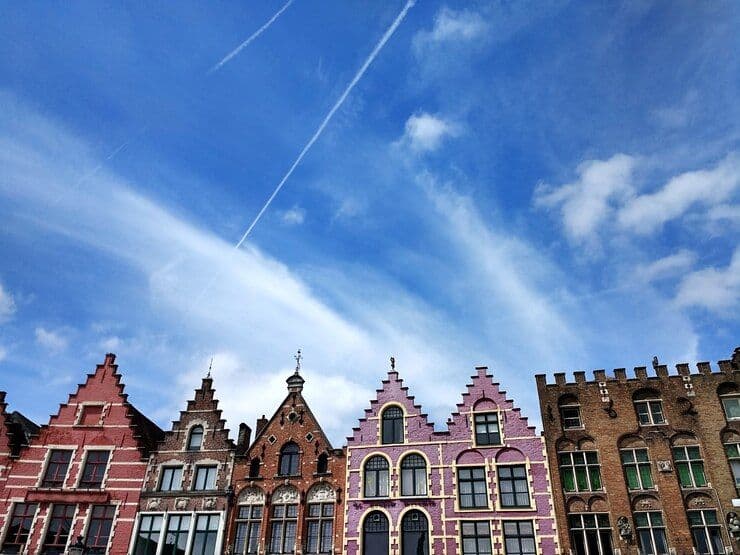
Architectural sights of the city of Bruges
The architecture of Bruges is a real journey through time, which allows you to feel the atmosphere of the Middle Ages. The city has preserved its architectural uniqueness, and today its historic center is part of the UNESCO World Heritage Site. Walking through the narrow streets, you seem to enter another world, where time has stopped, and each building tells its own story.
One of the most famous architectural monuments is the Belfry of Bruges, which rises in the center of the city. It is a huge medieval tower, the height of which reaches more than 80 meters, and it served not only as a bell tower, but also as a symbol of the city's independence. Its visit allows not only to enjoy the architectural details, but also to admire the panorama from a bird's eye view.
Another architectural gem is the Church of the Holy Blood, which is known for its unique relic - a portion of the holy blood of Christ. The church impresses with its Gothic architecture and is an important place for pilgrims and tourists. In addition, the city is famous for the ancient canals that surround most of the architectural monuments, giving them a special charm. They not only add romance to the city, but also emphasize its water character, because Bruges is often compared to Venice. The main attractions of this city are also:
Bruges Market is an old shopping center with magnificent buildings in the Flemish Renaissance style.
The Gruben Museum is an art museum with a huge collection of works of art.
The City Hall is an architectural landmark in the Flemish Gothic style.
Tourists come here precisely to immerse themselves in this medieval atmosphere. The city generously offers its visitors architectural masterpieces - they are able to impress even the most demanding fans of history and architecture.
What to visit in Ghent?
The city of Ghent is a unique architectural ensemble that combines historical heritage and modern life. Ghent is known for its medieval architecture, majestic cathedrals and ancient buildings that are kept in perfect condition. Ghent, Belgium can be described as a place where the Middle Ages meets the modern, and every street or square has its own history. This city is often called one of the most beautiful in Belgium due to its unique charm and atmosphere.
One of the main architectural monuments of Ghent is St. Bavo's Cathedral, which is a true masterpiece of Gothic architecture. Huge stained glass windows, unparalleled frescoes and historical relics make it not only an important religious center, but also a tourist attraction. Ghent Castle (Gravensteen), which was built in the Middle Ages and served as the residence of the Counts of Flanders, cannot be missed. The castle offers a huge number of opportunities to learn about the history of this period through exhibitions and reconstructions.
Among other things, it is worth visiting the Museum of the Middle Ages, where you can find many artifacts that tell about the life of that time. If you want to experience the atmosphere of Ghent in a more modern way, take a stroll through its charming streets and squares, which often host cultural events and festivals. So, during your trip, be sure to pay attention to:
Kortwijk Square is a picturesque square that is the center of cultural life.
The Stuben Tower is a medieval tower that has become one of the city's hallmarks.
Ghent is not only about architecture, but also a vibrant cultural scene that attracts tourists from all over the world. Every corner of this city tells its own story, combining the past and the present.
Medieval cityscape of cities
The medieval cityscape of Bruges and Ghent is not just a set of buildings, but a real living museum, where every stone, every street tells about important events in the history of Belgium. Narrow streets winding between ancient houses, water canals on which merchant ships once sailed, and old bridges create the atmosphere of the time when these cities were important trading centers of Europe.
The buildings that make up the landscape have preserved their architectural authenticity, and even in the modern world you can feel the spirit of the Middle Ages. In particular, old houses with narrow facades, tiled roofs, high towers and decorative elements create a unique look. Every stone of these cities, from the tiles on the sidewalks to the huge walls of castles and cathedrals, has its own history and has experienced everything from medieval times to the present day.
Art and culture of the medieval cities of Bruges and Ghent
The art and culture of medieval cities are an inseparable part of the history of Belgium, attracting the attention of not only tourists, but also researchers. These cities became important cultural centers as early as the Middle Ages, when their streets were filled with artists, craftsmen and artists whose work left a significant mark on the development of European art.
In Bruges, you can find many examples of medieval architecture, as well as museums that keep collections of paintings by famous artists, such as Jan van Eyck, who is one of the representatives of Flemish painting. The culture of that time influenced the formation of a unique style in which religious motifs, market scenes and portraits are intertwined. Ghent, in turn, is also famous for its rich cultural heritage, in particular, the famous Ghent Altar, which is one of the masterpieces of Renaissance art.
The art and culture of these medieval cities remain significant to this day. They not only preserve unique works, but also actively develop, creating cultural events, festivals and exhibitions that attract the attention of art connoisseurs from all over the world.
What do Bruges and Ghent attract tourists to?
Bruges and Ghent attract tourists with their unique atmosphere, which combines the historical charm of medieval cities with modern cultural events. Bruges, with its canals, narrow streets and ancient buildings, looks like it has stepped out of the paintings of medieval Europe, making it an ideal destination for those who want to experience the spirit of a bygone era. This city in Belgium is capable of mesmerizing with its architectural landmarks, including the Town Hall and Belfry, as well as numerous museums that preserve the Flemish heritage.
Ghent, in turn, is a more dynamic and modern city that retains its historical roots. Its many festivals, theater and music events attract tourists seeking cultural diversity. Visitors can enjoy architectural masterpieces such as Ghent Castle and Ghent's St. Michael's Church, as well as scenic riverside walks.
In addition, both cities are famous for their gastronomy, where tourists can taste traditional Belgian dishes such as chocolate, waffles and beer, adding a special appeal to their visit.