Rules of behavior in public places in European countries
When traveling in Europe, it is important to consider the culture and etiquette of each country, as this not only shows your respect for local traditions, but also helps avoid misunderstandings. Different places in Europe have their own established norms of behavior that may differ from those we are used to at home. In order not to get into an awkward situation, today we will tell you what rules you should follow when traveling to other countries.
How to behave in public transport: tips for travelers in Europe
When traveling in Europe, you will definitely encounter the need to use public transport. Different countries may have their own rules of behavior in public places, especially in populated areas where crowds often form. Knowing these points will help not only to avoid misunderstandings, but also make your trip more pleasant and comfortable. The following points should be observed:
Always let exiting passengers pass before entering the vehicle. This is especially important during rush hour.
Do not take up extra space for luggage. Put your bags on the floor or hold them on your lap so that other passengers can sit down.
Keep quiet. Speak quietly, do not use mobile devices at full volume, especially on trains.
Keep an eye on your belongings. In public transport, cases of theft are possible, so always keep your belongings under control.
Avoid eating and drinking. This rule applies in many European countries.
By complying with the listed requirements, you will feel comfortable, and the local residents will feel your respect for their traditions. Europeans appreciate the culture of social behavior, so knowing these simple rules will help you enjoy your trip without too much trouble.
How to behave in museums and restaurants: tips for travelers with children
Visiting public buildings, such as museums, restaurants or other attractions, is an integral part of a trip to Europe. But in order for your trip to pass without unnecessary worries, it is important to follow certain rules of behavior, especially when traveling with children. In museums, it is necessary to behave quietly so as not to disturb other visitors. To ensure a comfortable atmosphere for everyone, it is worth familiarizing yourself with the basic norms of behavior. Rules of behavior in public places for children, the following are accepted in any educated society:
In museums, you need to speak quietly. The noise may distract other visitors who want to enjoy the exhibition.
Do not touch the exhibits. Let the children observe, but explain that many things in museums are very valuable.
Do not run or shout in restaurants. It is important that children behave calmly, without creating discomfort for other guests.
Use gadgets with headphones. If your child is playing on a tablet or watching a video, make sure the sound is turned off or headphones are used.
Always clean up after yourself. Teach the child to observe cleanliness and respect for the environment.
You will help your children understand the importance of the culture of behavior in various public places if you explain this to them in advance. This will not only make your sightseeing more enjoyable, but also ensure a positive experience for other travelers.
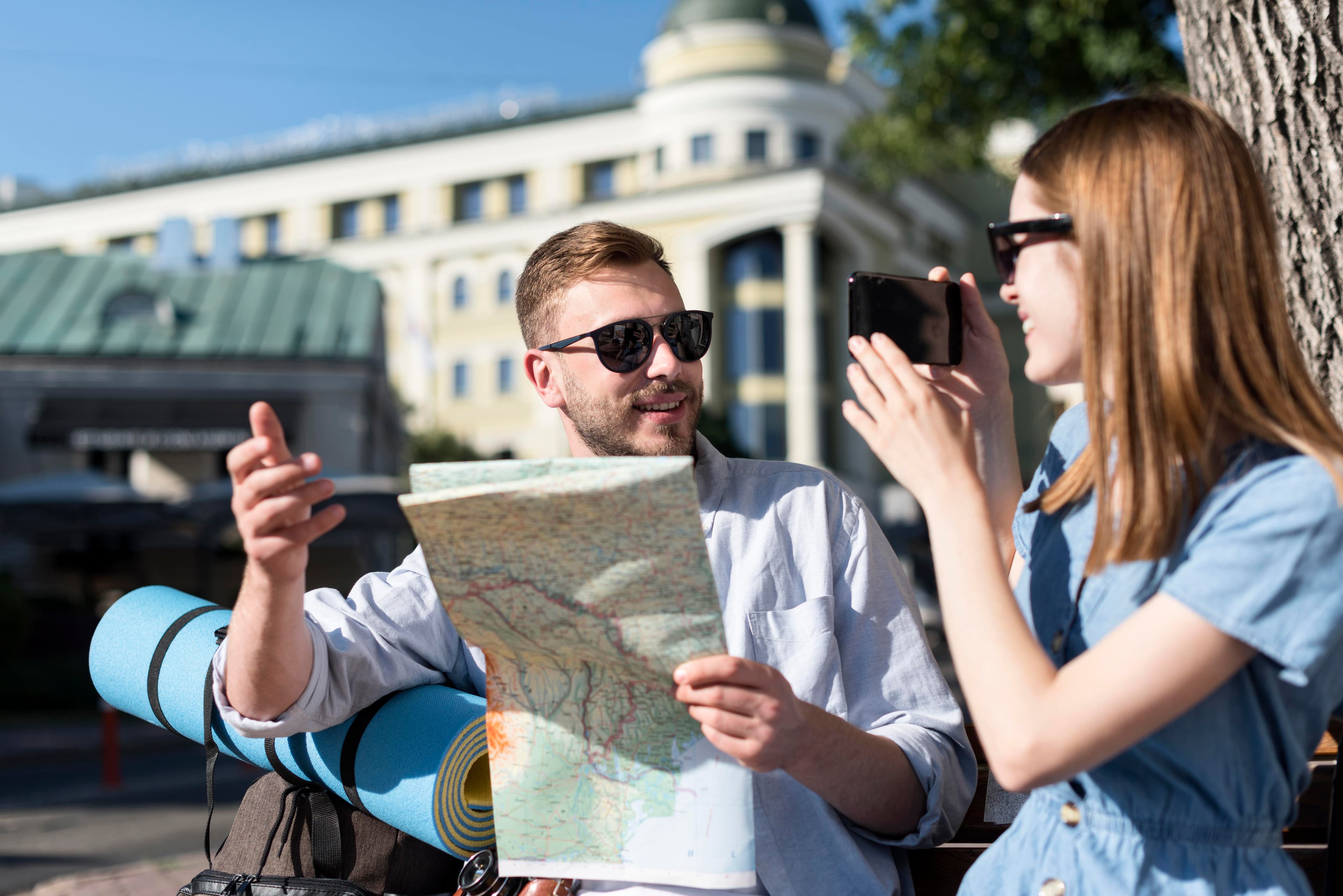
How to behave on the street: rules of behavior for tourists in European parks and squares
Walking through European parks, squares and streets can be a great opportunity to relax and integrate into local life. It is important to remember that behavior in public places plays a big role in the perception of foreign tourists by local residents. By following the rules, you will show respect for the local culture and make your walks more enjoyable. Therefore, it is worth familiarizing yourself with the basic rules of behavior on the street to avoid misunderstandings and negative experiences:
Keep clean. Always dispose of waste in special bins, even if it is small pieces of paper or wrappers.
Respect other people's personal space. Avoid too close contact with strangers, especially in crowded places.
Don't make too much noise. Play music with headphones, not at high volume, and avoid loud conversations.
Do not feed birds and animals without permission. In some countries it is prohibited or considered undesirable.
Follow traffic rules. Even pedestrians need to cross the road only in designated places.
Remember that using these tips will help you integrate into the local environment and leave a positive impression as a foreign tourist. In this way, you can enjoy your trip and also show yourself as a well-mannered and cultured traveler.
Dress code for travelers: what to wear when traveling in Europe?
Many temples and cathedrals have dress restrictions: no bare shoulders, short shorts or skirts. In high-class restaurants or theaters, it is customary to wear more formal clothes, so it is better to bring an appropriate outfit. In public places, such as parks or squares, you can feel freer, but even here you should take into account the weather conditions and local traditions.
In general, clothing should be comfortable, but conform to the regulations of the country you are visiting. Learn the habits and style of local residents, and your trip will be not only pleasant, but also without unpleasant situations related to inappropriate appearance.
How to find a common language: the secrets of successful communication with Europeans
While traveling in Europe, you will definitely have to interact with the locals. It is important to remember that different countries have their own cultural characteristics and manners of communication. For example, in southern countries such as Italy or Spain, people are more emotional and open, while in Scandinavian countries, such as Sweden or Finland, communication can be more reserved and formal.
You should always start a conversation with polite phrases, even if you do not speak the language of the country. Learn a few basic words, such as "hello," "thank you," or "excuse me," which will help you win over others. In addition, it is important to respect personal space and avoid excessive physical contact, especially during the first meeting.
Show interest in the local culture, ask questions, but avoid discussing politics, religion or other sensitive topics. This attitude will show your respect and help build positive relationships with the locals, making your trip more enjoyable and fulfilling.
Specific rules and prohibitions in European countries
In different European countries there are specific rules and prohibitions that may seem unusual to tourists. It is important to consider these features in order to avoid misunderstandings and unpleasant situations during the trip. Some prohibitions may concern behavior in public places, use of public transport or even clothing. Therefore, before traveling, you should familiarize yourself with the basic regulations of each country, so that your trip is comfortable and safe.
France
France has several specific rules and prohibitions that may surprise tourists. For example, in Paris, it is forbidden to tie locks on bridges, because it is considered harmful to historical monuments. In addition, alcohol consumption is prohibited in public places, except in designated areas such as cafes and restaurants. It is equally important to know that it is forbidden to talk loudly on the phone in public transport, and the use of e-cigarettes is also restricted in many places. And of course, in France there is a strict queue requirement - the French are very negative about trying to get ahead of others.
Spain
In many cities it is illegal to drink alcohol on the street, especially in tourist areas, where it can lead to fines. In restaurants and bars, there is often a rule that food and drink orders should be made directly at the bar, not at the table, unless you are sitting outside. It is also not customary to leave large tips in Spain - it is usually enough to round the bill or leave coins.
In some regions, in particular in Catalonia, there is a ban on the use of clothing containing symbols that can be perceived as a political provocation, so you should be careful about your outfit. Another interesting feature is that in Spanish cities the tradition of siesta is very much respected - at times when shops and some establishments close for lunch, it is important to take this into account when planning your day.
Italy
In many cities, including Florence, it is forbidden to eat and drink on the streets in historic areas. This ban is intended to preserve the cleanliness and aesthetic appearance of architectural monuments. Also, in Italian restaurants it is not customary to ask for changes to traditional dishes such as pizza or pasta - this can be considered insulting to the chef.
Another feature is tradition regarding meal times: Italians usually don't eat after 9:00 p.m., so plan your dinners accordingly. It is forbidden to eat or drink on public transport, or to stand on the steps of escalators - in such cases, locals usually stand on the right to make room for those who move faster. Finally, in many cities it is illegal to leave wine or food on the tables after you have finished eating, as this is considered rude to the staff.
Germany
One of the main rules is strict adherence to road signs and signals. For example, pedestrians should only cross the road when the light is green, even if the road appears clear. Fines may be imposed for this.
It is forbidden to drink alcohol on public transport, and the Germans enforce this requirement quite strictly. It is also important to remember that in Germany it is customary to keep quiet in transport, especially in trains. Loud conversations and music without headphones can cause a negative reaction from other passengers.
Another feature is garbage: in Germany, there is a clear system of separate waste collection, and you can get a fine for throwing away garbage incorrectly. Each type of garbage has its place, so it is worth carefully studying where to throw away plastic, paper or organic waste. This reflects a culture of caring for the environment, which is an important part of the German way of life.
Hungary
Pay special attention to the rules of behavior in the thermal baths, which are a popular attraction. For example, in many thermal complexes it is forbidden to enter the pools in street clothes and swimming shorts; special bathing suits must be used. Also, some establishments may require swimming hats.
In addition, it is common practice in Hungary to leave small tips in restaurants, but no more than 10% of the bill. However, please note that this is not mandatory and the percentage may vary depending on the quality of service. It is also important to avoid discussing political topics, as this can cause disputes among local residents.
The Importance of Cultural Adaptation: The Key to Successful Travel
In a world full of diversity, cultural differences can significantly affect our travel experiences. Adapting to local norms and rules is not just a matter of courtesy, but also a way to build positive relationships with local residents. Understanding the specifics of behavior in different countries will help avoid misunderstandings and improve your overall travel experience.
It is important to remember that each country has its own traditions and customs. Learning them not only makes you a more knowledgeable tourist, but also shows respect for the culture you're in. This allows you to immerse yourself deeper into local life, enjoy authentic moments and create unforgettable memories of your trip.