TOP 10 places to visit in Valencia: from historical monuments to modern architecture
Valencia is one of the most interesting cities in Spain, which impresses with its rich history, diverse cultural heritage and unique architecture. The city, located on the shores of the Mediterranean Sea, has always been an important center of trade, science and art. Due to its strategic location, Valencia has been influenced by many different civilizations, which has made its cultural atmosphere extremely diverse. Traveling around Valencia, you can see how ancient traditions are beautifully intertwined with innovative projects, which creates an incredible atmosphere for relaxation and learning.
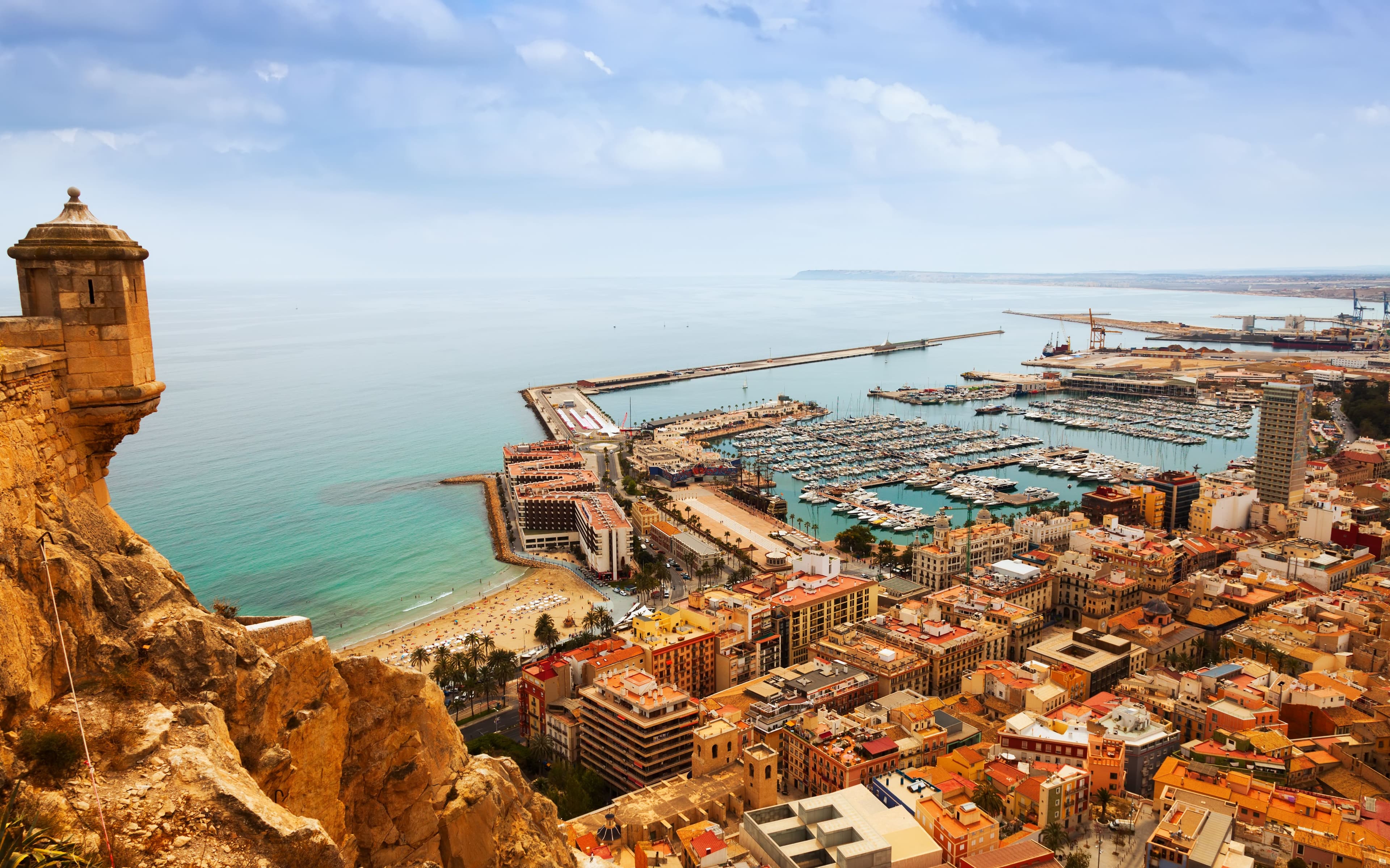
Historical sights of Valencia: witnesses of centuries of history
Valencia is a city that has preserved many historical monuments that allow every visitor to immerse themselves in the atmosphere of past eras. From ancient Roman ruins to medieval fortresses and Gothic cathedrals, every stone here tells its own story. Valencia is a city, which impresses with its architectural heritage, preserved to this day thanks to careful care and attention to history. Next, we take a look at some of the most significant historical sites that are a must-see during your trip to this unique city.
Valencia Cathedral (La Seu): the architectural gem of the city
Valencia Cathedral, also known as La Seu landmark, is one of the city's most important architectural landmarks. Built on the site of a former Muslim mosque, the cathedral combines different architectural styles, including Gothic, Romanesque and Baroque.
A special pride of the cathedral is the chapel of the Holy Chalice, where, according to legend, the Holy Grail is kept. This makes the Cathedral of Valencia an important religious and cultural symbol not only of the city, but also of the whole of Spain. To visit La Seu is not only to see a historical monument, but also to feel the atmosphere of grandeur and spirituality that reigns in every corner of this architectural gem.
The Silk Exchange (La Lonja de la Seda): a symbol of economic prosperity
The Silk Exchange, or La Lonja de la Seda, is one of Valencia's most iconic landmarks, reflecting its economic prosperity in the Middle Ages. Built in the 15th century, this building became an important center for the silk trade, which was the main commodity in Valencia at the time. La Lonja combines beautiful elements of Gothic architecture with elements of the Renaissance style, creating a unique atmosphere. Vaulted ceilings, luxurious facades and interior details make it one of the best examples of Civil Gothic in Spain. Features of the Silk Exchange:
The architectural style is a combination of Gothic and Renaissance, which gives the building a majestic and at the same time elegant look.
Vaulted ceilings are one of the most beautiful examples of Gothic vaults in Spain.
Carved elements – decor on the facades and inside the building, made with high skill.
A fundamental symbol of the economy, this exchange symbolizes the importance of Valencia as a center of the silk trade in the Middle Ages.
UNESCO World Heritage – In 1996, La Lonja was included in the list of World Heritage Sites due to its historical and architectural value.
The Silk Exchange is not only an architectural monument, but also a living testimony of the rich history of Valencia. It continues to be an important cultural and historical center for visitors who want to better understand the city's economic development and its contribution to world history.
Torres de Serranos: a medieval symbol of Valencia
The Serranos Gate, or Torres de Serranos, is one of Valencia's most famous architectural landmarks, dating back to the Middle Ages. Built in the 14th century, this huge gate once served as the main entrance to the city as well as part of Valencia's medieval defense system. They were built in the Gothic style, with thick walls and decorative elements characteristic of that time. The Serranos Gate performed the function of not only a fortification, but also an important symbol of the city's independence and strength.
Modern architecture of Valencia: from classics to futurism
Valencia not only preserves its rich historical heritage, but also actively develops in the direction of modern architecture, which makes the city even more attractive for tourists and architects from all over the world. The city has become a real center of innovation, where classic forms are organically combined with futuristic buildings. If you liked historical Valencia, interesting places modern ones will also be to your liking.
City of Arts and Sciences (Ciutat de les Arts i les Ciencies): a symbol of modern Valencia
The City of Arts and Sciences (Ciutat de les Arts i les Ciencies) is one of the most exciting modern architectural complexes that defines the face of Valencia in the 21st century. The project, created by architect Santiago Calatrava, impresses with its innovation and grandeur. The city combines several important facilities, including the Science Museum, Planetarium, Oceanographic Park, as well as a huge concert hall. All the buildings have a futuristic look, which creates a feeling of falling into another time and space.
Oceanographic Park (L’Oceanografic): the sea beauty of Valencia
The Oceanographic Park of Valencia, or L'Oceanografic, is the largest aquarium in Europe and a true gem of the City of Arts and Sciences. This unique architectural and scientific monument impresses with its scale and diversity of marine ecosystems. The oceanographic park covers more than 110,000 square meters and includes several pavilions, each of which reflects a certain part of the marine world - from the cold waters of the North Pole to tropical seas.
Valencia Biopark (Bioparc): nature in the center of the city
Bioparc of Valencia (Bioparc) is an innovative zoo that offers a unique experience of immersion in the wild ecosystems of the world. Unlike traditional zoos, animals are not just kept here, but conditions are created that are as close as possible to their natural environment. The biopark is located on a huge territory, and its concept is based on the integration of animals into ecosystems that reproduce African savannas, forests and tropical jungles. This is a place not only for recreation, but also for education and environmental awareness, as numerous wildlife conservation programs are held here.
Features of the Biopark:
natural ecosystems – the territory of the zoo is divided into zones that reproduce natural environments for animals, with minimal use of cages;
the wild nature of Africa is one of the main highlights of the park - African animals, including lions, giraffes, rhinoceroses and many others;
environmental programs - the park has an important role in the preservation of rare species of animals through participation in international programs for their protection;
interactive exhibits - visitors have the opportunity to see animals in their natural environment and learn a lot of interesting things about their lives;
educational activities - special programs and excursions for schoolchildren and students aimed at increasing environmental awareness among young people.
The Biopark of Valencia is not just a zoo, but a real educational center that opens the rich and diverse world of nature to visitors. It offers a unique opportunity to see exotic animals in their natural environment and understand the importance of environmental protection.
Parks and natural areas of Valencia: tranquility in the midst of an urban landscape
Valencia is a city in Italy that impresses not only with its architectural heritage and modern buildings, but also with a huge number of green areas that are perfectly combined with the urban landscape. You will definitely like the picturesque Valencia, places of interest which offers tourists and local residents numerous opportunities for active recreation in the fresh air.
Gardens of Turia (Jardi del Turia): a green oasis of Valencia
Turia Gardens (Jardi del Turia) is one of the largest and most beautiful city parks in Europe, stretching 9 kilometers across Valencia. Previously, the Turia River flowed in this place, but after the great flood of 1957, the river was redirected, and this huge park was created in its channel, which became the real green heart of the city. Turia Gardens is an ideal place for walks, sports, outdoor recreation and family leisure.
Albufera Natural Park (Parc Natural de l’Albufera): a paradise for nature lovers
The Italian Albufera Natural Park (Parc Natural de l'Albufera) is a natural oasis located just a few kilometers from Valencia and is one of the most important ecological areas in Spain. Albufera is a lagoon surrounded by rice fields, swamps and forests, creating a unique ecosystem for numerous species of birds, fish and plants. It is an ideal place for those who want to experience the beauty of wild nature, watch animals or just relax in peace and quiet. The park is an important center for eco-tourism and is popular with birders, photographers, and all nature lovers.
Traditional places for recreation and entertainment in Valencia: ideal locations for relaxation and active leisure
Valencia is a city that combines a wealth of cultural heritage with modern leisure opportunities. Thanks to its location on the coast of the Mediterranean Sea and many entertainment facilities, this place becomes ideal for those who are looking for a vacation for every taste. From cozy beaches to energetic nightclubs, Valencia offers a variety of places to relax, with each place offering something special. In this section, we will look at some of the most popular traditional locations for recreation and entertainment that make this city special.
The beaches of Valencia (Playa de la Malvarrosa and Playa del Cabanyal): ideal places to relax by the sea
Valencia is famous not only for its cultural heritage, but also for its wonderful beaches that attract tourists and locals alike. Playa de la Malvarrosa is one of the city's most popular beaches, known for its soft sand and clear waters, making it the perfect place for a family vacation. Playa del Cabanyal, on the other hand, is a less crowded and more secluded beach that is popular with locals. With a more relaxed atmosphere, it is ideal for those who want to avoid the crowds of tourists. In addition, the beach offers excellent opportunities for water sports, as well as walks along the beach promenade that leads to the old fishing quarter.
Central Market (Mercado Central): the heart of Valencia's gastronomic culture
The Central Market of Valencia (Mercado Central) is one of the most famous and most visited places in the city, which is a real gastronomic mecca. The market is located in the heart of Valencia and is one of the largest markets in Europe, operating in a building that is a great example of modernist architecture. Here you can find everything from fresh seafood and meat to fruits, vegetables, cheese and spices that convey the true taste of local culture and traditions. Walking through the central market, visitors immerse themselves in a unique atmosphere, where every corner is filled with lively trade sounds and aromas.
Valencia: a great journey to start with - with KLR Bus
Valencia – it is a city that impresses with its unique combination of ancient architecture, modern artistic masterpieces and natural beauty. From historical monuments to luxurious beaches, there is something for everyone here. If you are planning to visit this wonderful city, KLR Bus offers the best conditions for comfortable and convenient bus travel. Traveling with us, you can enjoy every moment of your vacation, focusing on exploring the beautiful corners of Valencia, rather than organizing transport.
By choosing KLR Bus, you get a reliable partner for traveling around Europe. With us you will easily get to any point in Valencia, and the comfort of our buses will make your trip even more pleasant. Discover all the beauty of Valencia - and let KLR Bus be your companion on this exciting journey.